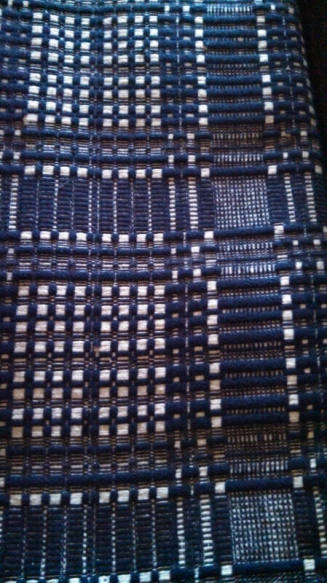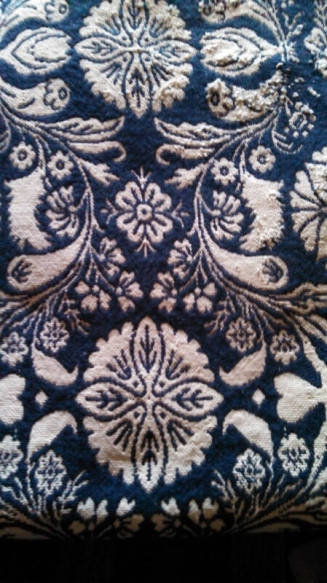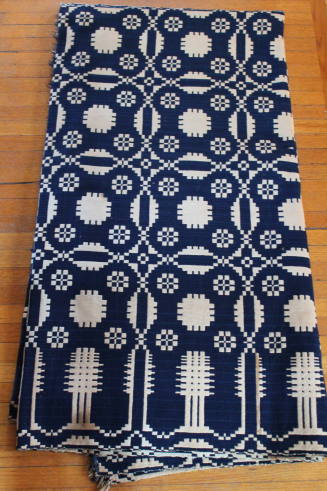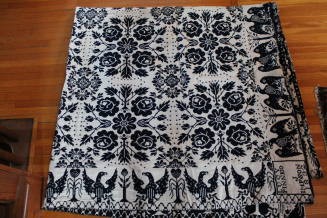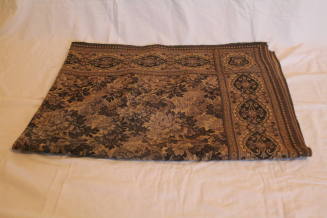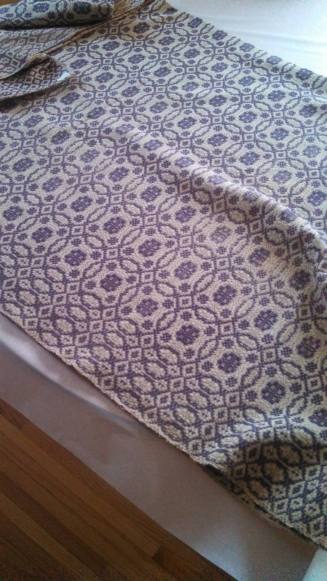
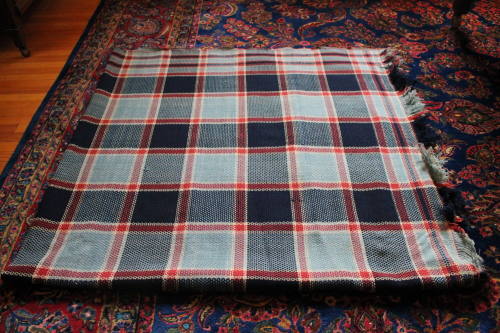
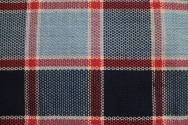
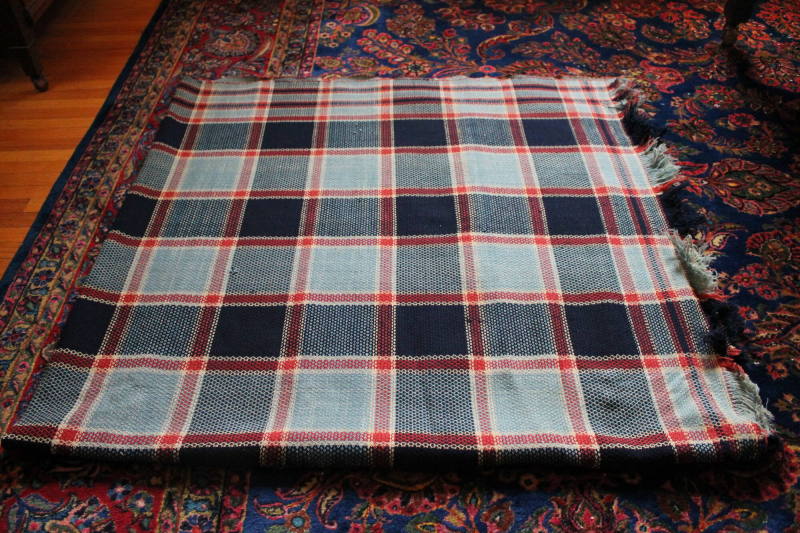
Coverlet
Object NameCoverlet
Datec. 1820-1840
MediumWool
Dimensions70 × 148 in. (177.8 × 375.9 cm)
ClassificationsTextiles and Apparel
Credit LineTranferred from Applied Arts Department. In the Farm House Museum Collection, Farm House Museum, University Museums, Iowa State University, Ames, Iowa.
Object number74.32.209
Status
On viewCollections
CultureAmerican
Label TextThe coverlet, a type of woven bed covering, has a long history that reflects both practical needs and artistic expression. Originating in Europe during the 17th and 18th centuries, coverlets were traditionally made of wool, linen, or cotton and served as a warm, decorative layer for bedding. Early European coverlets often featured intricate woven patterns, including geometric designs, floral motifs, and symbolic imagery, created using techniques such as twill, damask, and jacquard weaving. When European settlers came to America, they brought these traditions with them, and by the late 18th and early 19th centuries, handwoven coverlets had become a staple of American homes, especially in rural areas, combining functionality with aesthetic appeal.
In the United States, the coverlet evolved into a uniquely American art form. During the 19th century, weavers, particularly in Pennsylvania and New England, developed distinct patterns such as overshot, double-cloth, and honeycomb weaves, often incorporating patriotic or nature-inspired motifs – examples of which can be viewed in this exhibition. Coverlets were frequently made at home on handlooms or commissioned from local weavers and became treasured household items, sometimes passed down through generations as family heirlooms. By the late 19th century, industrialization and the rise of machine-made textiles reduced the prevalence of handwoven coverlets, but their legacy endures in museum collections, antique markets, and contemporary handweaving traditions, preserving a rich chapter of textile history.
https://americanhistory.si.edu/collections/object-groups/national-woven-coverlet-collection/history-and-construction
Locations
- (not entered) Iowa State University, Farm House Museum