
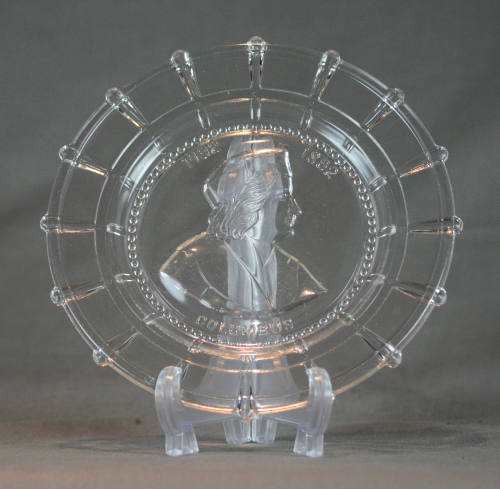
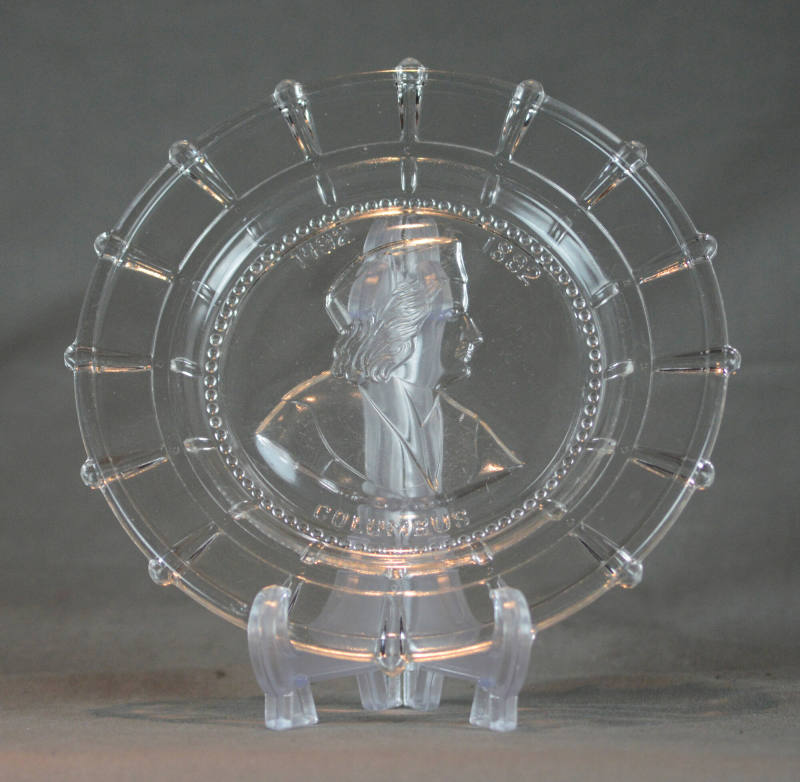
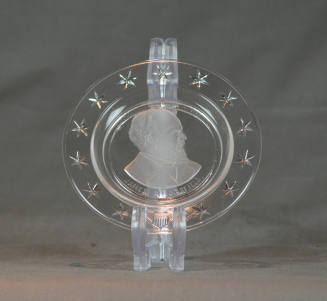
Christopher Columbus pattern
Object NamePlate
Manufacturer
Cooperative Flint Glass Co.
(American (Beaver Falls, PA), 1869 - 1937)
Datec. 1892
MediumNon-flint clear pressed glass
Dimensions9 3/8 × 1 in. (23.8 × 2.5 cm)
ClassificationsDecorative Arts, Glass
Credit LineGift of the Quester Chapter Pearls of Wisdom #1186. In the Iowa Quester Glass Collection, Brunnier Art Museum, University Museums, Iowa State University, Ames, Iowa.
Object numberUM2004.84
Status
On viewCollections
CultureAmerican
Label TextChristopher Columbus, an Italian explorer, sailed across the Atlantic Ocean on voyages sponsored by Spain, connecting Europe with the Americas. In 1492, he sought a westward route to Asia but instead reached islands in the Caribbean, including parts of the present-day Bahamas and Hispaniola. Between 1492 and 1504, Columbus completed four voyages, initiating sustained contact between Europe and the Americas, a process later known as the Columbian Exchange.
Despite his navigational achievements, historians debate Columbus’s legacy. His expeditions exploited and enslaved Indigenous populations and caused their severe decline through violence, forced labor, and disease. Europeans long celebrated him as a heroic discoverer, but modern scholarship highlights the harmful consequences of his actions and emphasizes recognizing the perspectives and experiences of Indigenous peoples affected by European colonization.
Artists and craftsmen frequently depicted Christopher Columbus in decorative arts, especially during the nineteenth and early twentieth centuries, when people widely celebrated him as a symbol of exploration and the European presence in the Americas. They featured his likeness on objects such as commemorative plates, medals, textiles, paintings, and exhibition souvenirs, portraying him as a heroic navigator guided by faith and determination. These idealized representations reflected national pride and Eurocentric historical narratives, particularly during anniversaries like the 1892 quadricentennial of his voyage.
Bello, Manuel; Shaver, Annis N. (2011). “Representation of Columbus in History Textbooks”. In Provenzo, Eugene F. Jr.; Shaver, Annis N.; Bello, Manuel (eds.). The Textbook as Discourse: Sociocultural Dimensions of American Schoolbooks. Routledge. p. 152.
Wilford, John Noble (1991). “Columbus and the Labyrinth of History”. The Wilson Quarterly. 15 (4): 79–80.
McIlwraith, Thomas F.; Muller, Edward K. (2001). North America: The Historical Geography of a Changing Continent. Rowman & Littlefield. p. 35.
Markings1482-1882 Columbus
Published ReferencesRef: The Co-operative Flint Glass Co. of Beaver Falls, PA by E. Earl and Jo Autenreith, pg. 292.
Locations
- (not entered) Iowa State University, Brunnier Main Storage
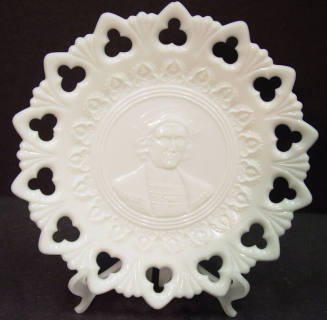
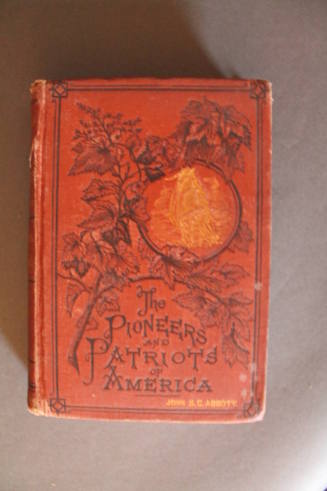
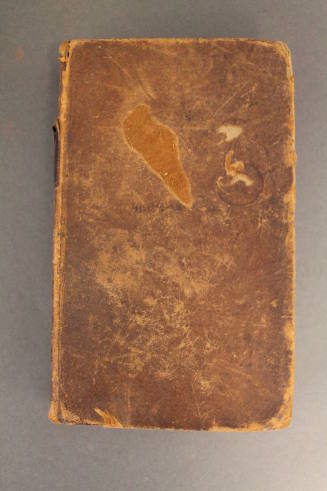
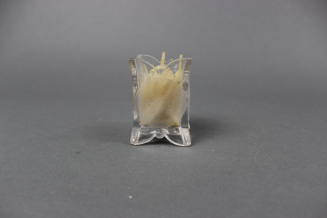
Object Name: Toothpick Holder
United States Glass Co.
1892
Object number: 76.30.70

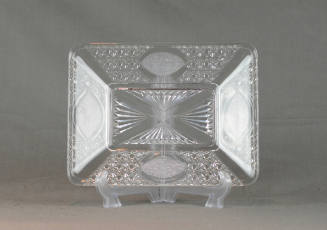
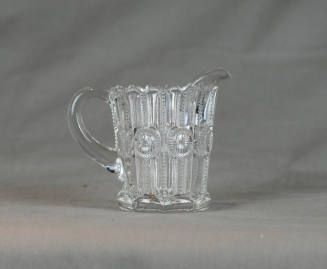
Object Name: Bread Plate or Tray
Cooperative Flint Glass Co.
1888
Object number: UM2011.221
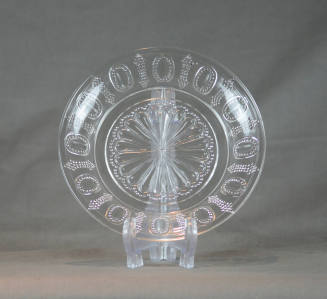
Object Name: Plate
Cooperative Flint Glass Co.
1881
Object number: UM2010.63
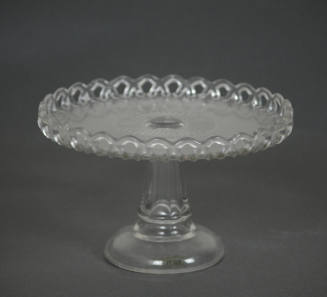
Object Name: Cake plate
Cooperative Flint Glass Co.
1880s
Object number: um96.172

Object Name: Butter Dish
United States Glass Co.
1901
Object number: UM2009.168ab
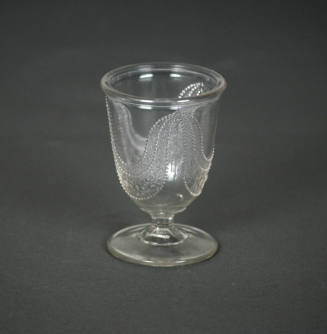
Object Name: Spoon Holder (Spooner)
Cooperative Flint Glass Co.
1881
Object number: UM2007.268